You Think You're Free to Choose, But the Algorithm Already Chose for You
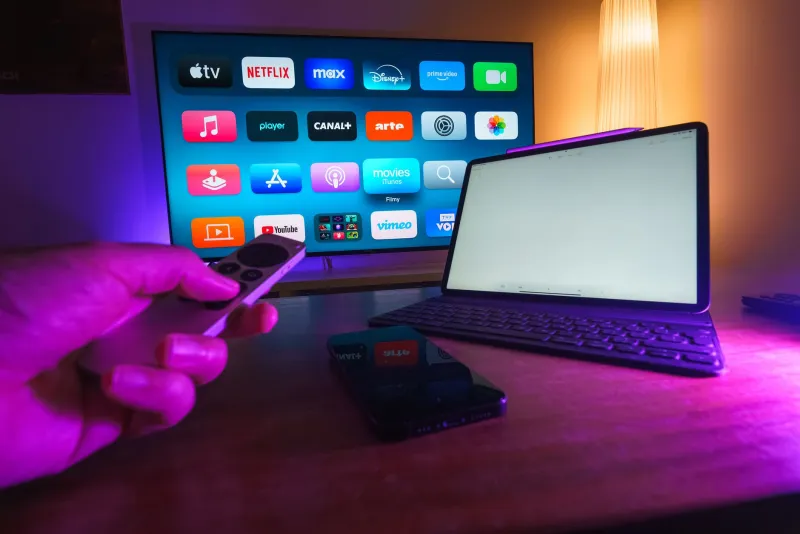
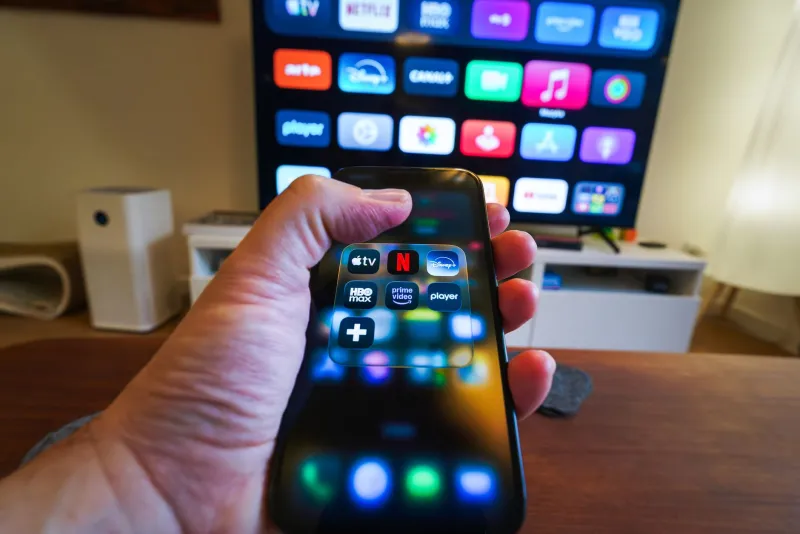
Here's a thought experiment. Open Spotify, Netflix, or YouTube right now. Scroll through your recommendations. How many of those suggestions actually surprise you? Probably not many. And that's kind of the problem.
We've been sold personalization as a feature — a gift, even. The idea that a platform knows you well enough to surface the exact song, show, or video you're in the mood for sounds genuinely useful. And sometimes it is. But there's a cost buried in that convenience, and most of us have never really stopped to look at the bill.
The Comfort Trap
Every time you click, stream, pause, rewind, or abandon something halfway through, you're feeding a machine. That machine builds a model of you — not the full, messy, contradictory human you actually are, but a simplified version. A pattern. And patterns, by definition, exclude the stuff that doesn't fit.
The algorithm isn't trying to expand your horizons. It's trying to keep you engaged long enough to watch one more episode, click one more link, stay on the platform a few more minutes. Novelty is risky. Familiarity converts. So the system defaults to giving you more of what already worked, and slowly, almost imperceptibly, your media diet gets narrower.
Psychologists have a term for this: the mere exposure effect. The more you encounter something, the more you tend to like it. Algorithms exploit this ruthlessly. They show you what you've already responded to, you respond to it again, and the loop tightens. Before long, you're not discovering content anymore — you're just revisiting your own preferences in slightly different packaging.
What's Actually Getting Filtered Out
The invisible part is what you never see. There's no notification that says, "Hey, we decided not to show you this foreign drama because you skipped subtitles once in 2021." The filtering is silent. The gaps in your feed don't announce themselves.
Consider how many genuinely great films never broke through to mainstream American audiences simply because the algorithm had no behavioral data to suggest them to the right people. A dark Scandinavian thriller. A Brazilian coming-of-age story. An indie documentary that would've wrecked you in the best possible way. These things exist. They're on the platforms you pay for. But if your watch history says "superhero movies and true crime," the system isn't going to take a swing on something it can't predict you'll finish.
Music is arguably even worse. Spotify's Discover Weekly is celebrated as a personalization triumph, and sure, it's impressive. But it still operates within the gravitational pull of your listening history. If you've never strayed into West African jazz or experimental electronic music, those genres are essentially invisible to you — not because they don't exist, but because the algorithm has no thread to pull.
The Paradox of Knowing What You Want
Here's the genuinely weird part: the better an algorithm gets at predicting your preferences, the less room there is for you to surprise yourself. And surprising yourself — stumbling onto something you didn't know you'd love — is one of the best experiences entertainment has to offer.
Think about the last time a piece of music, a movie, or a TV show genuinely blindsided you. Chances are it came through a recommendation from an actual human being, or you caught it by accident, or you were just bored enough to take a chance on something weird. That serendipity is getting harder to engineer inside a system that's been optimized to reduce friction and eliminate uncertainty.
There's a reason people still talk about the golden age of channel surfing with a kind of nostalgic warmth. It wasn't efficient. It wasn't personalized. But it was random in ways that occasionally delivered something completely unexpected — a late-night movie you'd never have searched for, a documentary that changed how you thought about something. The algorithm has basically killed that randomness in the name of relevance.
Breaking Out Without Breaking Down
So what do you actually do about it? A few strategies that work better than you'd expect:
Borrow someone else's taste deliberately. Ask a friend — ideally one with noticeably different media habits than yours — what they've been into lately. Not a casual "anything good?" but a real ask. Human curation is still the best antidote to algorithmic narrowing.
Use the platforms against themselves. Most streaming services have browse-by-genre or browse-by-country features buried somewhere in the interface. Use them. Search for things you can't pronounce. Click on a thumbnail that confuses you. The worst that happens is you turn it off after ten minutes.
Create a separate profile. If you share a Netflix or Spotify account, the secondary profile trick is genuinely useful — but even creating a second profile for yourself with zero watch history can reset the recommendation engine and open up a weirdly different slice of the catalog.
Follow critics, not algorithms. Publications like The Ringer, Pitchfork, or even smaller regional outlets cover stuff that the algorithm will never surface to you because it doesn't have enough engagement data to justify the push. A single well-written recommendation from a human who cares about the thing they're writing about is worth more than fifty algorithmic suggestions.
Embrace the intentional misclick. Seriously. Every once in a while, just pick something you have no rational reason to watch. The algorithm needs behavioral data to work with. Give it some bad data. Confuse it. It's your account.
The Bigger Picture
This isn't just about missing a good show. There's a broader argument here about how algorithmic curation shapes culture at scale. When millions of people are all being fed increasingly tailored media diets, shared cultural moments become rarer. The water-cooler conversation about a show everyone watched because it was just on — that's fading. We're all living in slightly different media realities now, and the algorithm is the architect.
That's not entirely bad. Niche communities thrive in this environment. Creators who couldn't have found an audience in a broadcast era now have one. But something is also lost when discovery becomes purely transactional — when every recommendation is a calculated bet rather than a genuine introduction.
The algorithm knows a version of you. It just doesn't know all of you. And the parts it doesn't know? Those might be exactly where your next favorite thing is hiding.