Bring Back the Schedule: The Quiet Rebellion Against Streaming That Nobody Saw Coming
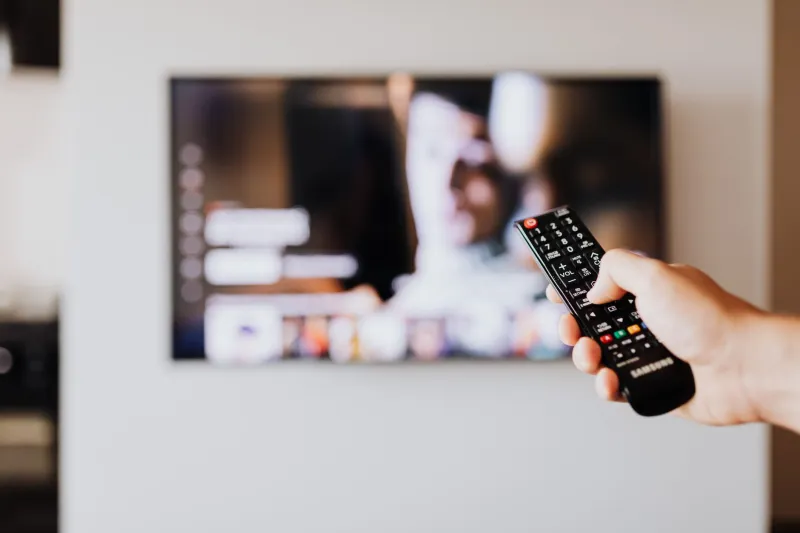
Somewhere in suburban Ohio, a 34-year-old is flipping through channels on a Tuesday night. Not scrolling. Not browsing. Not rage-quitting a recommendation carousel after twenty minutes of indecision. Just... flipping. Landing on a rerun of Law & Order they've seen four times. Staying there. Feeling, inexplicably, fine about it.
This is not a story about nostalgia. Well — okay, it's a little about nostalgia. But it's mostly about something stranger: the growing number of Americans who are actively choosing to give up control of their own viewing experience, and reporting that they feel better for it.
Streaming was supposed to be the endgame. The final boss of television. You get everything, anytime, forever. How could anything beat that? Turns out, "everything" is its own kind of exhausting.
The Paradox Nobody Warned Us About
There's a famous psychology concept called the paradox of choice — the idea that too many options don't make us happier, they make us more anxious and less satisfied with whatever we eventually pick. Barry Schwartz wrote a whole book about it back in 2004, and at the time, it mostly applied to salad dressings and jeans. Nobody anticipated that it would one day describe the experience of sitting down to watch TV.
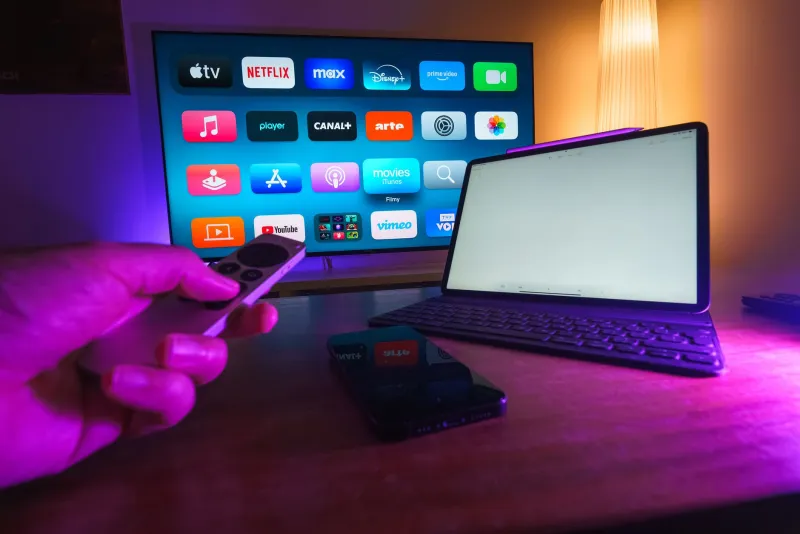
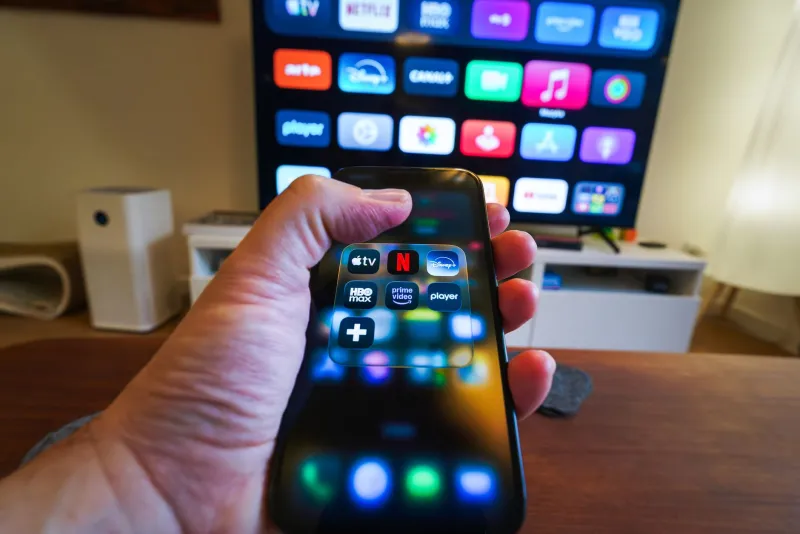
But here we are. The average American household with streaming access now has access to somewhere north of 40,000 pieces of content at any given moment. That number is not comforting. That number is a threat.
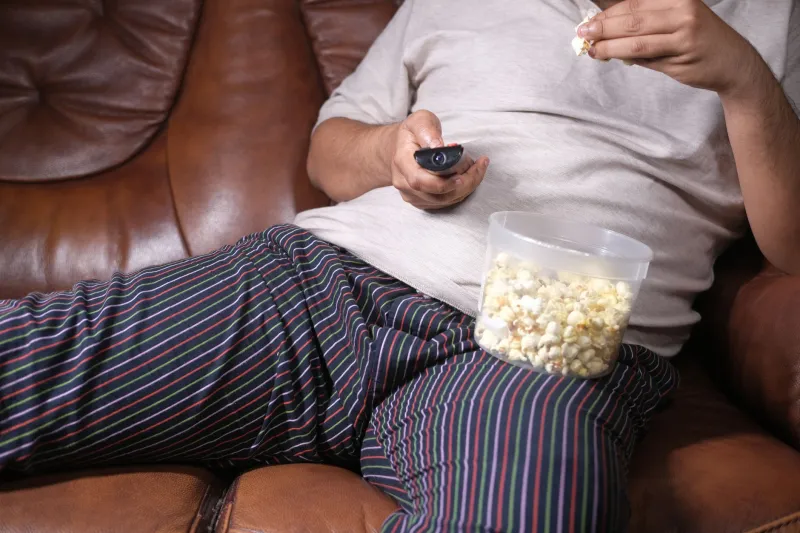
The decision fatigue is real. You open Netflix, spend 25 minutes scrolling, feel vaguely guilty that you're not watching something more "worthwhile," start something, abandon it after 12 minutes, and then stare at the ceiling wondering why you feel worse than before you sat down. Sound familiar?
Cable TV, weirdly, doesn't do that to you. Cable TV has already made the decision. It's 9 PM on a Wednesday, and Dateline is on. You didn't ask for Dateline. You don't necessarily want Dateline. But Dateline is happening, and somehow that's a relief.
Why Constraints Feel Like Freedom
This sounds backwards, but behavioral researchers have been pointing at it for years. When external structures limit our choices, we often experience a kind of psychological release. The decision has been made for us, which means we can stop auditioning options and just... exist in the moment.
It's the same reason some people swear by meal planning — not because they love eating the same thing on Thursdays, but because they love not having to think about it. The constraint removes the cognitive load. And in an era where our brains are being asked to make an unprecedented number of micro-decisions every single day, outsourcing even one of them to a TV guide feels like a small mercy.
Cable's rigid schedule is essentially a decision-making service. You're not choosing what to watch — you're choosing when to watch, and then letting someone else handle the rest. For a lot of viewers, that's genuinely preferable to the alternative.
The Communal Viewing Thing Is Real
There's another angle here that streaming quietly dismantled without anyone fully grieving it: the shared experience of watching something at the same time as everyone else.
Remember when a season finale actually meant something? When you had to watch it live because the entire office was going to be talking about it the next morning and you could not be the person who hadn't seen it yet? Streaming killed that. Or at least put it on life support. When every episode drops at midnight and people watch on their own schedules, the collective cultural moment gets stretched so thin it basically disappears.
Live sports figured this out and never let go of it. Award shows still pull audiences partly for this reason. And appointment television — the kind cable built its entire identity around — created genuine social rituals that on-demand simply hasn't replaced.
When The Bear drops all at once on Hulu, some people watch it in a weekend and some people watch it across six weeks. The conversation fragments. The water cooler moment dissolves. Cable's schedule, annoying as it is, kept everyone synchronized in a way that actually meant something.
Who's Actually Going Back?
It's not just older viewers, though they're definitely part of the picture. The surprising demographic is people in their late 20s and 30s — millennials who grew up with streaming and are now, in their peak decision-fatigue years, quietly re-subscribing to cable bundles or at minimum leaning harder into live TV options like YouTube TV and Hulu Live.
They're not going back because cable is better. The picture quality is worse, the ads are more frequent, and you still can't pause live TV without a DVR. They're going back because the experience of watching cable requires less of them. It asks less. And right now, a lot of people want to be asked less.
There's also something to be said for the ambient nature of traditional TV. Cable is comfortable in a way that streaming isn't. You can have it on in the background. You can half-watch it while you make dinner. Streaming content, especially prestige streaming content, often demands your full attention — it's dense, serialized, and if you miss something you'll be lost for three episodes. Cable's episodic, self-contained structure is actually friendlier to the way a lot of people live.
The Streaming Platforms Are Noticing
Here's the tell: streaming services themselves are quietly experimenting with scheduled programming. Netflix has tested "Netflix Live" for certain events. Peacock and Paramount+ lean heavily on their live sports and news. Even Disney+ has experimented with weekly episode drops instead of full-season dumps, partly to recreate that appointment-viewing energy.
The irony is almost too perfect. Streaming spent a decade dismantling the television schedule, and now it's trying to rebuild it from scratch because it turns out viewers actually missed it.
You're Not Weird for Wanting Less
If you've ever found yourself weirdly comforted by the fact that something was just on — that you didn't have to pick it, rate it, add it to a list, or justify it to yourself — you're not behind the times. You might actually be ahead of them.
The streaming era promised liberation through infinite choice. What it delivered, for a lot of people, was a new kind of low-grade anxiety dressed up in a clean interface. Cable TV, with its ugly channel guide and its relentless commercial breaks and its total indifference to your preferences, accidentally stumbled onto something streaming forgot: sometimes the best thing a screen can do is just make the call for you.
Flip to channel 48. Law & Order is on. You've seen this one before. Stay anyway.