Dead and Back: The Strange Science of Why Your Old Obsessions Keep Returning From the Grave
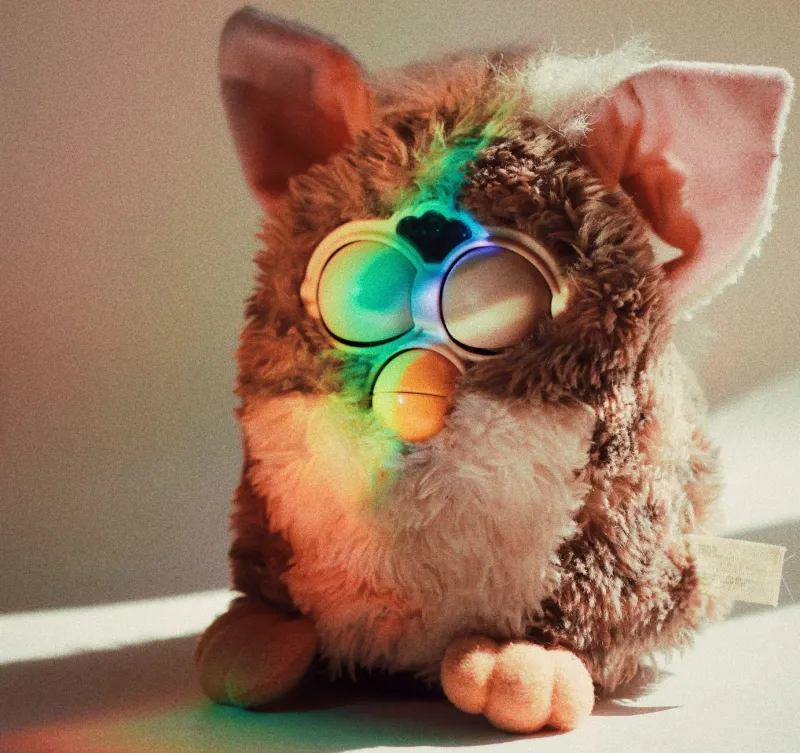
Somewhere between 2022 and now, Tamagotchis started showing up on people's desks again. Not ironically. Not as a bit. People were genuinely feeding their little digital pets, stressing out when the battery died, and talking about it like it mattered. Which, honestly? It kind of did.
That's the thing about cultural revivals. They never feel like revivals when you're inside one. They just feel like the world finally catching up to something that was always good.
But here's what's actually happening — and it's messier, weirder, and more fascinating than simple nostalgia.
The Death Cycle Nobody Talks About
Every cultural artifact goes through a predictable arc. It rises, it peaks, it gets overexposed, it becomes embarrassing, and then — crucially — it disappears long enough for people to forget why they stopped caring about it.
That disappearance phase is doing a lot of work. It's basically running a reset. The cringe wears off. The overexposure fades. What's left is the core feeling the thing originally produced — the fun, the comfort, the identity it gave you — without all the baggage of its peak years.
When something resurfaces after that reset, it hits differently. You're not encountering the oversaturated version. You're encountering the essence of it, filtered through years of absence. Nostalgia fills in the gaps, and your brain basically lies to you in the best possible way.
TikTok Is the World's Most Powerful Resurrection Machine
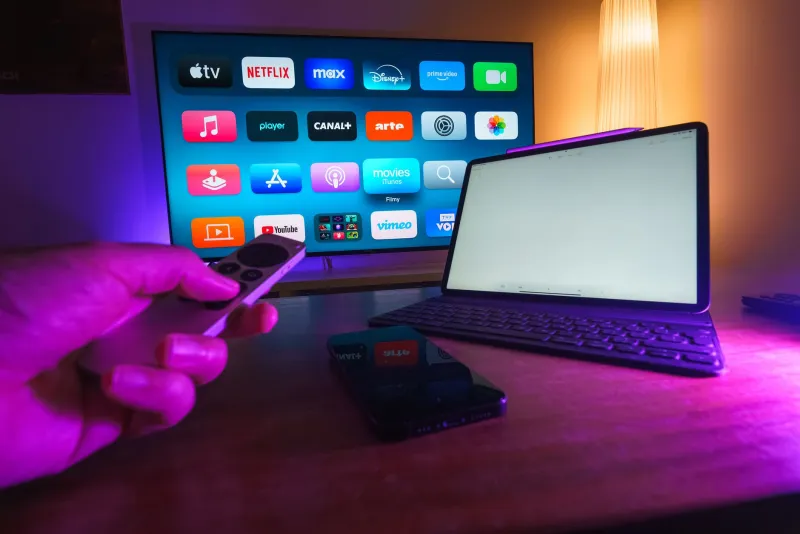
The internet didn't invent nostalgia cycles, but it absolutely turbocharged them. And TikTok specifically has become the primary engine for dragging things back from cultural obscurity.
Here's why it works: TikTok's algorithm doesn't care how old something is. It only cares whether people engage. So when one person posts a video about, say, a forgotten early-2000s cartoon or a mid-2010s video game nobody finished, and that video gets traction, the algorithm starts showing it to more people. Those people comment about their own memories. More videos get made. A community forms almost overnight around something that had been sitting dormant for a decade.
This is exactly what happened with shows like Recess, Code Lyoko, and even older properties like Invader Zim. A handful of nostalgic posts hit the right audience, the algorithm amplified them, and suddenly there was a whole conversation happening — which, in turn, signaled to studios and brands that there was appetite for more.
The speed is what's new. What used to take a decade-long slow burn of cultural rehabilitation can now happen in about six months of coordinated TikTok enthusiasm.
The Influencer Factor: Taste-Making With a Time Machine
Beyond algorithms, there's a human element driving these revivals: taste-makers who are old enough to remember the original but young enough to still have cultural cachet.
When a 28-year-old with two million followers posts a genuine, non-ironic appreciation for Lizzie McGuire or digs out their old Heelys, they're doing something powerful. They're giving permission. They're saying: this thing you secretly still love? It's okay to love it out loud now.
Fashion revivals work exactly this way. Y2K aesthetics didn't come back because the clothes were objectively good (butterfly clips, really?). They came back because a specific cohort of influencers — the oldest Gen Z creators — had genuine childhood memories attached to them and enough platform reach to normalize wearing them again. Once it appeared on enough feeds, it stopped looking like a throwback and started looking like a trend.
The same mechanism applies to gaming. When a streamer with a large audience decides to revisit a classic franchise — or when a remaster drops and gets picked up by major content creators — the nostalgia gets cross-pollinated into audiences that never experienced the original. Suddenly something old is being discovered fresh by people for whom it has zero personal history.
Why Some Revivals Stick and Others Crash
Not every comeback lands. For every successful Pokémon GO or Top Gun: Maverick, there are a dozen reboots that showed up, got a polite round of applause, and quietly disappeared again.
The difference usually comes down to one question: does the revival respect what made the original work, or does it just borrow the aesthetic?
When studios or brands treat a revival as a pure nostalgia cash grab — slapping a familiar name on something fundamentally different, or leaning so hard into callbacks that there's no actual substance — audiences feel it. They'll watch the first episode. They'll buy the first drop. And then they'll walk away, mildly disappointed in a way they can't quite articulate.
Successful revivals tend to do something harder: they identify the emotional core of the original and find a way to deliver that feeling in a contemporary context. The Cobra Kai series is a textbook example. It didn't just trade on Karate Kid nostalgia — it took the original's themes of rivalry, identity, and redemption and actually developed them into something new. It gave longtime fans what they remembered feeling, not just what they remembered seeing.
That's a much higher bar. And it's why most nostalgia plays fizzle out while a few become genuine cultural events.
What This Says About How Culture Actually Moves
There's a theory that cultural time has been compressing. Trends that used to take twenty years to cycle back are now cycling back in ten, then five, then sometimes two or three. The internet — and TikTok especially — has accelerated the whole machine.
But there's something else going on too. In a media landscape that produces an almost incomprehensible volume of new content every single day, familiarity has become its own kind of value. Choosing something you already know you love is lower risk than gambling on something new. It's comfort in a format that feels overwhelming.
Your childhood obsession isn't just coming back because someone decided it was cool again. It's coming back because, in a world of infinite options, known quantities feel like a relief.
And honestly? There's nothing wrong with that. Sometimes the stuff you loved when you were ten was just genuinely good. The algorithm didn't invent that. It just reminded you.
The Part Where You Check If Your Thing Is Coming Back
If you've got a dormant obsession — a show that got canceled too early, a game franchise that went quiet, a fashion era you quietly still miss — the conditions for a revival have honestly never been better. All it takes is the right video hitting the right feed at the right moment.
Keep an eye on TikTok's nostalgia corners. Watch what 25-to-30-year-olds are posting about. And maybe don't throw away those old DVDs just yet.
Everything comes back around. It's just a matter of timing.